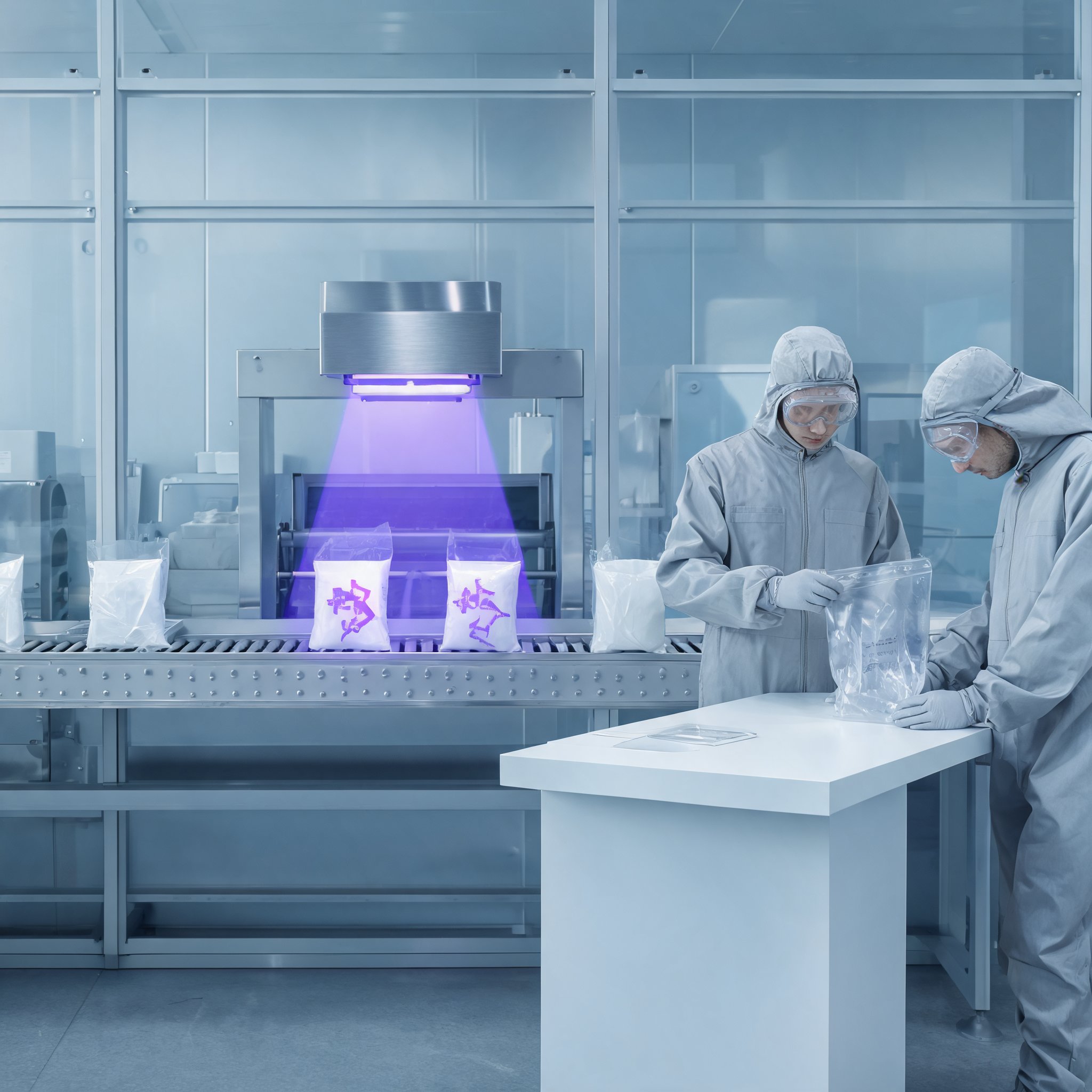
Polytag’s Ecotrace Programme has been included in TIME’s Best Inventions of 2026, in the Reuse & Recycle category. The programme is one of 300 innovations on the annual list and is designed to give brands more visibility over what happens to their packaging after use.
At the centre of the programme is a tagging system that uses specialist fluorescent UV inks. The tags are invisible to the naked eye and can be added to packaging labels through existing printing processes. According to Polytag, packaging manufacturers, printers, converters and ink suppliers can therefore build traceability into packs without a fundamental change to established production workflows.
Brands activate the UV tags on their packaging. When tagged packs pass through recycling facilities fitted with Polytag equipment, the system detects the tags. The technology uses global open standards to capture barcode-level data showing which tagged packaging reaches those facilities and where and when it is detected.
The tags can also carry additional information about a pack, including its plastic melt flow temperature, the packaging converter or its food-grade status. Depending on the data encoded, Polytag says this can provide insights at pack-variant or batch level and across defined time periods. That gives brands and retailers a clearer view of post-use performance and can inform decisions on packaging design, material selection and recyclability.
Polytag said the data can also support accountability as Extended Producer Responsibility increases obligations for packaging placed on the market. In that context, the company argues that tag-derived evidence can help businesses build a stronger record of packaging performance and recycling outcomes.
The programme is already being used by Ocado and Waitrose, with UV-tagged packaging generating data at enabled recycling facilities. Polytag is positioning the approach as a way to connect packaging producers, ink specialists, retailers and recycling operators around a shared view of packaging lifecycles.
Debbie Waldron-Hoines, consultant CEO at the Flexographic Industry Association, said the TIME recognition shows the role innovation can play in addressing major packaging challenges. For printers and converters, she said, technologies that link packaging with data about its after-use journey could open opportunities to help brands assess performance and inform future design. She welcomed innovation that connects the print and packaging sector with wider discussions about recycling and circularity.
Alice Rackley, chief executive of Polytag, said the inclusion is an endorsement of work across the packaging value chain to make lifecycles more visible. She said collaboration among packaging producers, ink specialists, retailers and recycling operators helps bridge the gap between how packaging is designed and what happens after use, and that better data can support better decisions and progress toward a more circular economy.