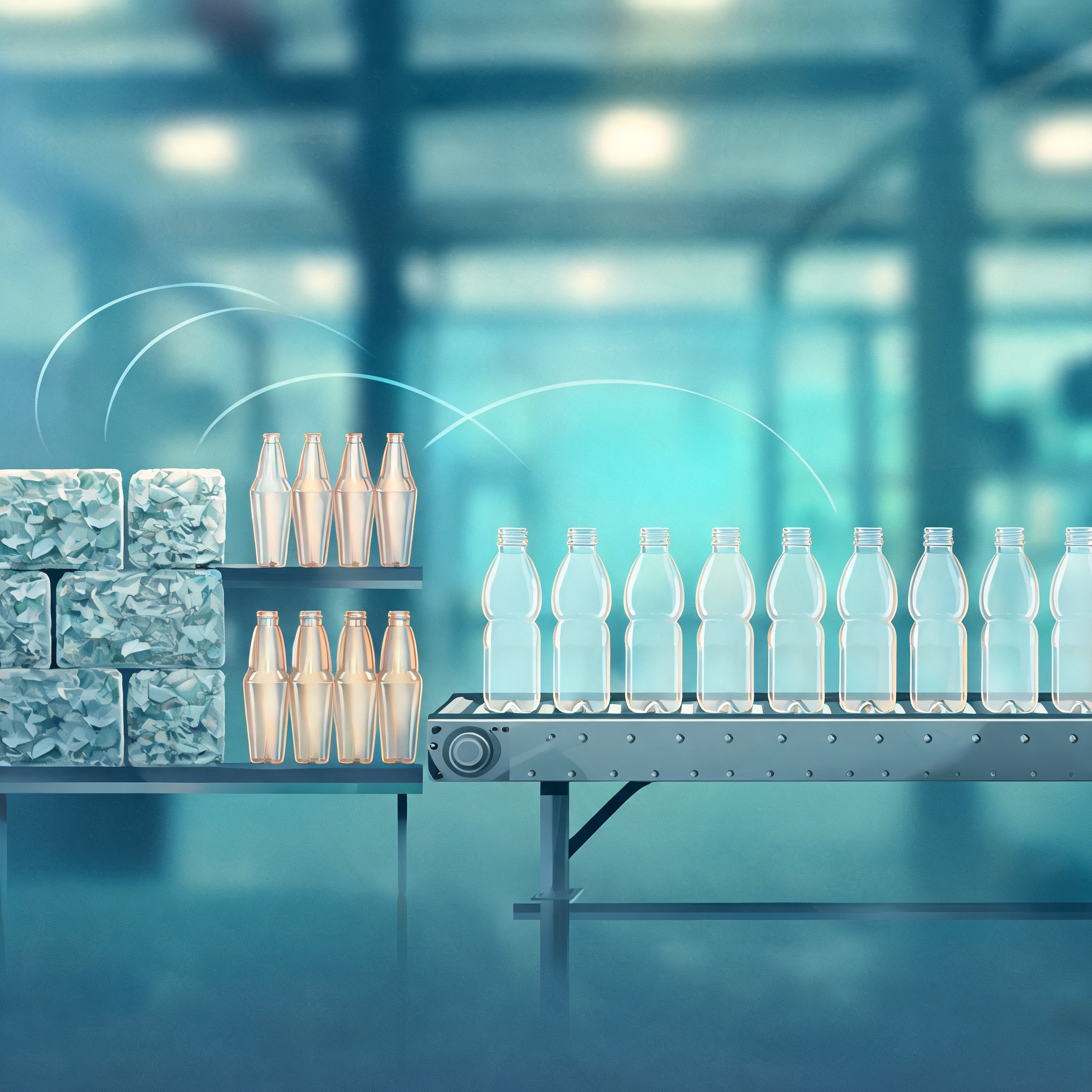
Suntory has published its first climate transition plan, setting out how the Japanese drinks group intends to lower emissions across its own operations and its supply chain while preparing the business for rising climate risks. Packaging and raw materials are identified as the largest contributors to its footprint, and packaging reform sits at the centre of the strategy.
The company says it reduced greenhouse gas emissions by 19% between 2019 and 2025. It is now aiming for a 30% cut in absolute Scope 1, Scope 2 and Scope 3 emissions by 2030, measured against the 2019 baseline, followed by a 90% reduction by 2050.
Packaging still the biggest lever
Although packaging and raw materials have been singled out as the main sources of emissions, the plan records progress in both areas. Emissions linked to packaging fell by 38% between 2019 and 2025, while those from raw materials declined by 12% over the same period.
Not every part of the value chain has moved in the same direction. Emissions associated with co-manufactured finished products rose by 26%, a trend the company highlights as evidence of how much its targets depend on suppliers and contract manufacturing partners.
The plan places particular weight on packaging reform. Measures include using less material, raising recycled content and redesigning containers. Suntory says it wants all primary polyethylene terephthalate (PET) packaging to be either made from 100% recycled material or produced without fossil fuels.
Supplier engagement and spending
Beyond its own packaging specifications, the group says it has engaged suppliers that together represent more than half of its Scope 3 emissions. Further progress is expected to depend on changes to production methods, energy consumption and material choices across the supply chain rather than on action inside Suntory's own operations alone.
The company estimates it will spend €185.4m (£156m) on climate-related operating costs between 2027 and 2030, with packaging expected to account for the bulk of that sum.
According to the company's own sustainability material, these goals form part of a broader commitment to net-zero emissions across the value chain by 2050. The figures published in the plan are targets and estimates for future years; the 19% reduction, the 38% packaging decline, the 12% raw-material decline and the 26% rise in co-manufactured product emissions are the only historical results stated for the 2019–2025 period.